





Towards understanding carbon dynamics in forests and forestry
Annual meeting and training activity of Skill-For.Action in Freising
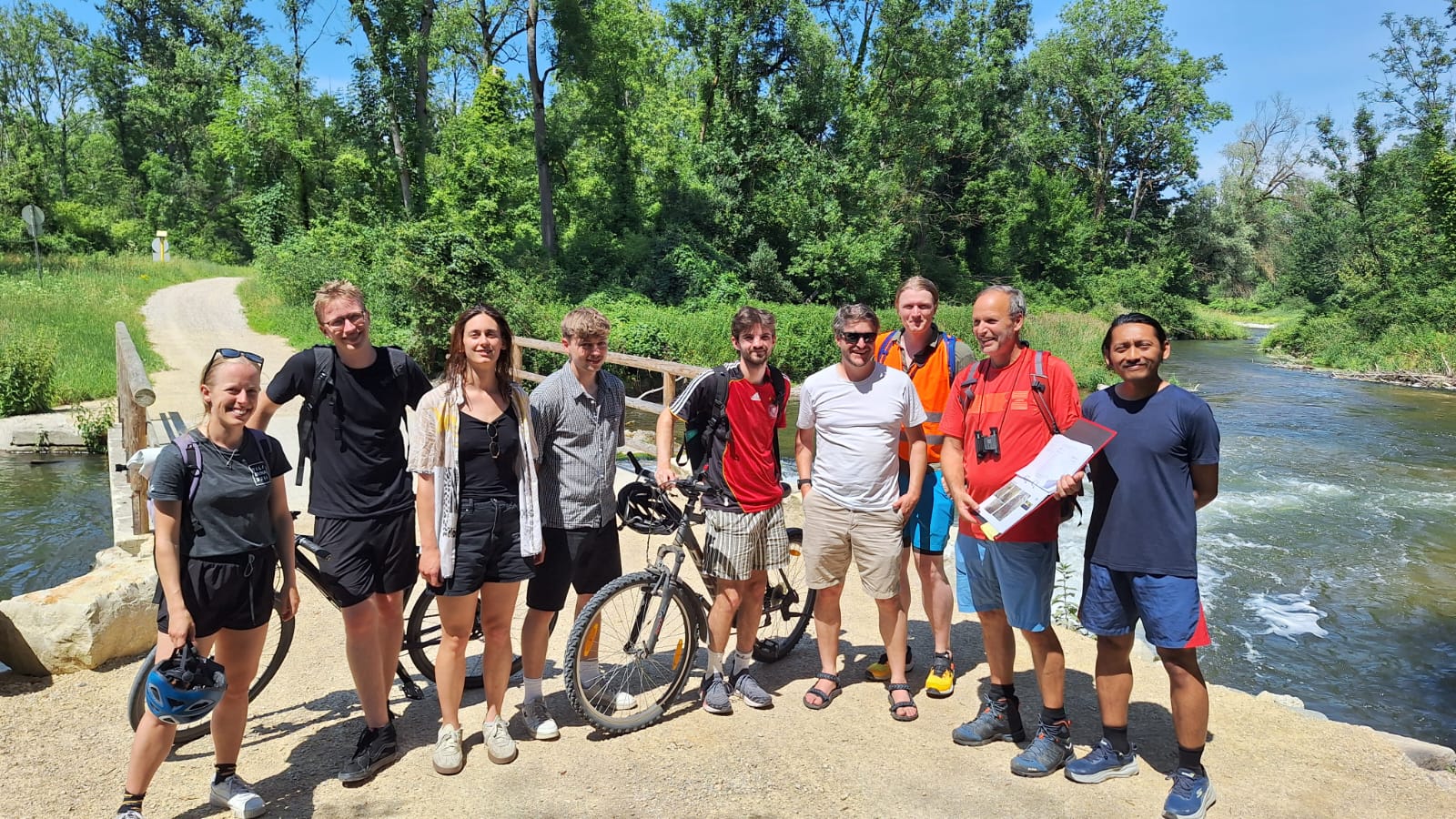
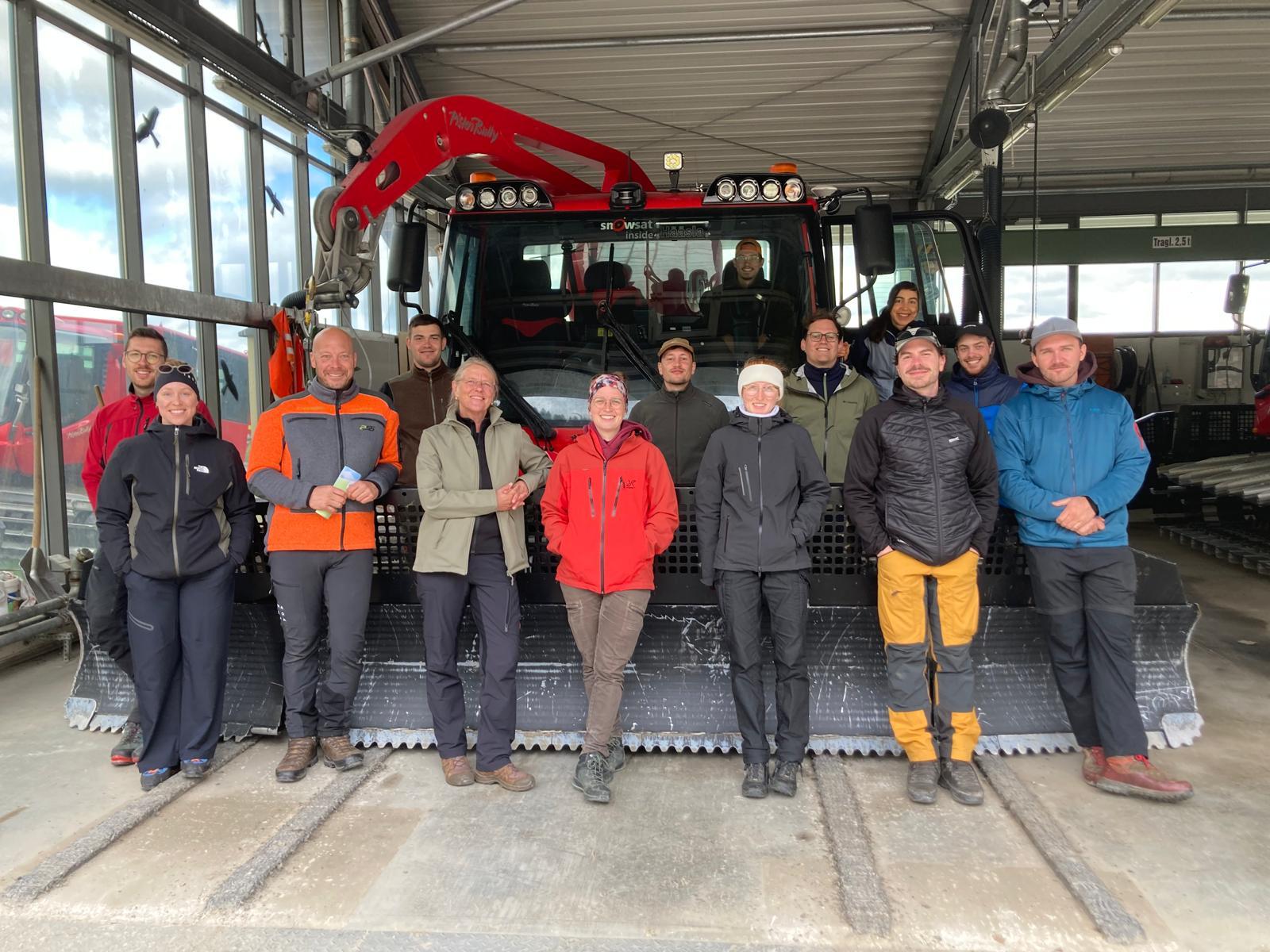
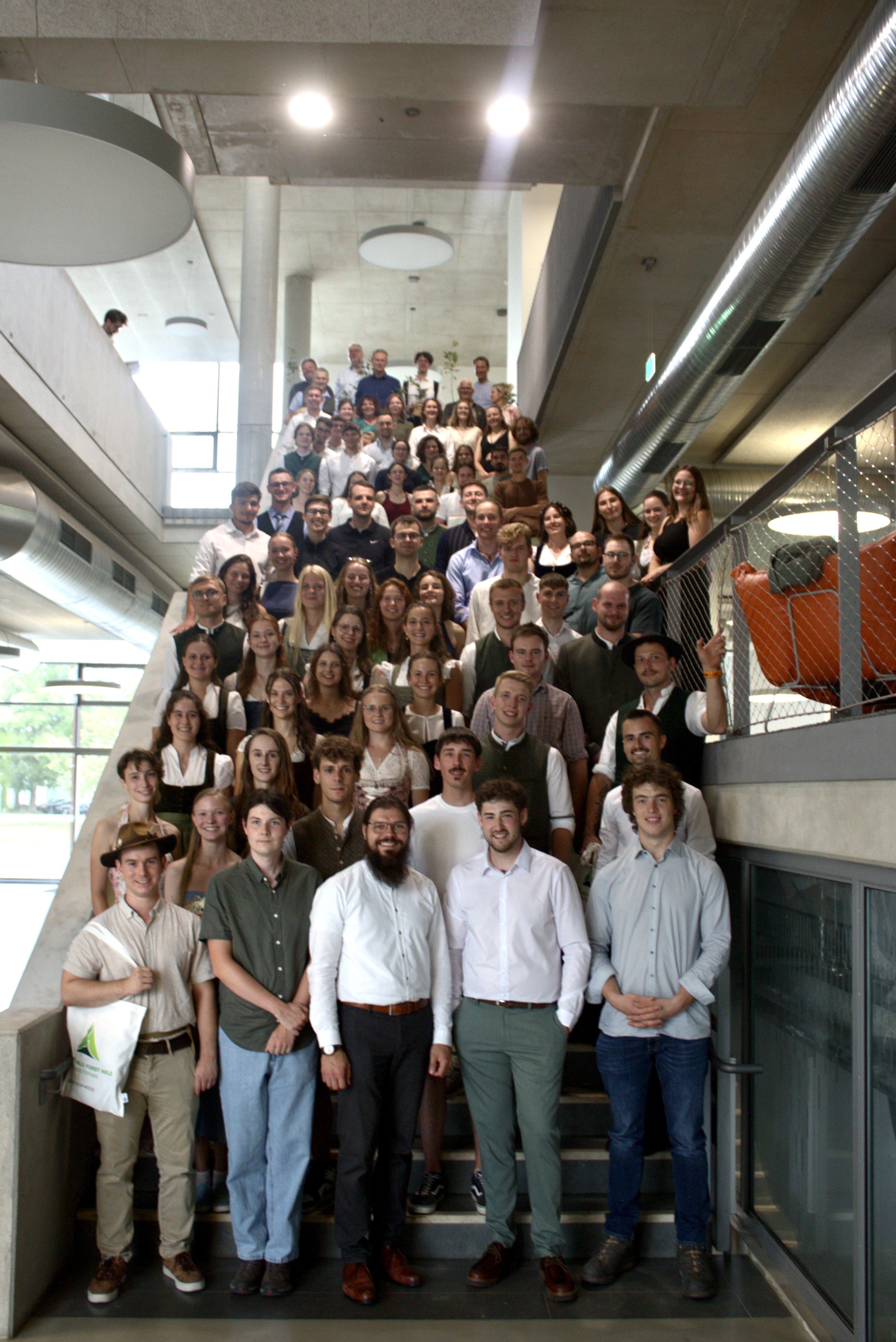
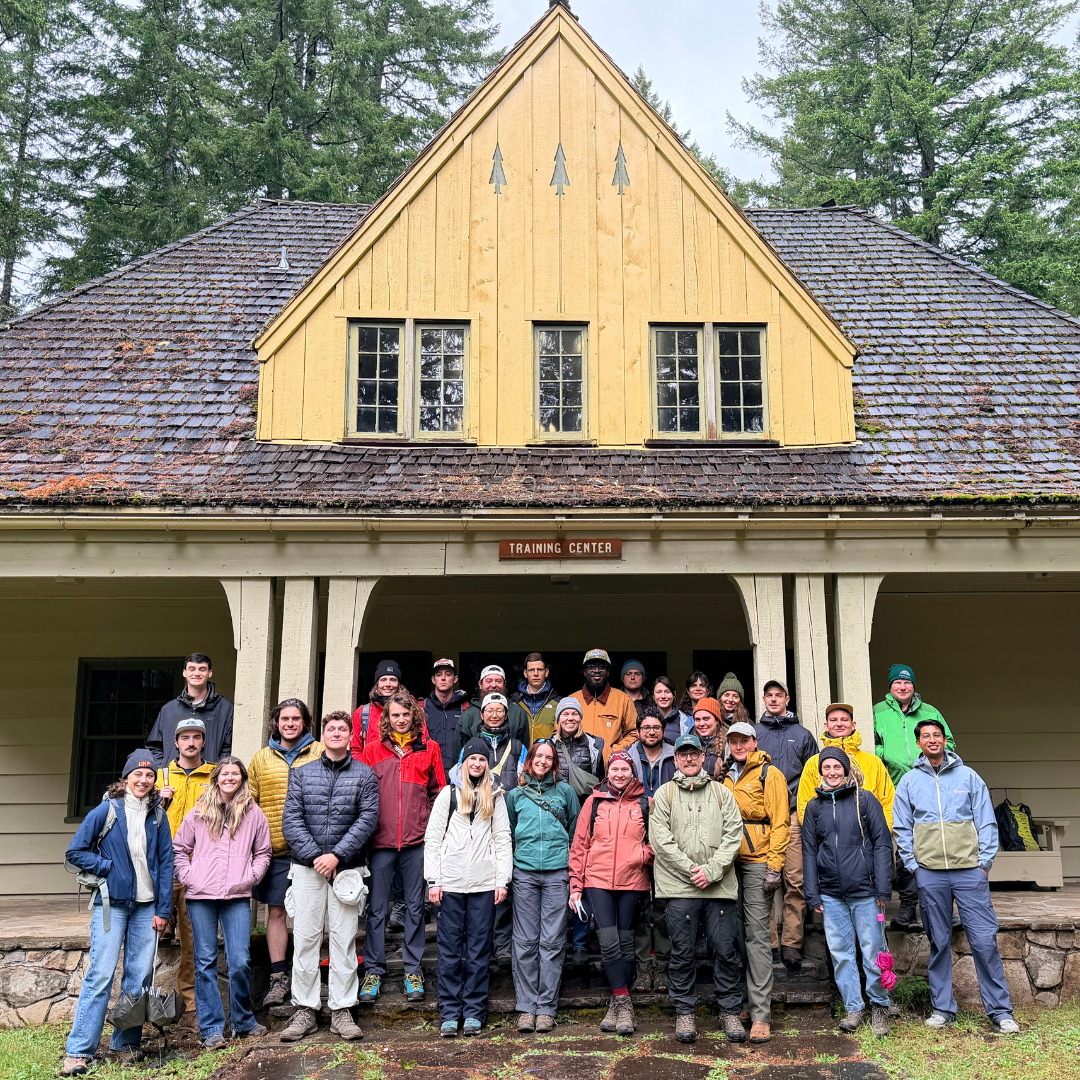
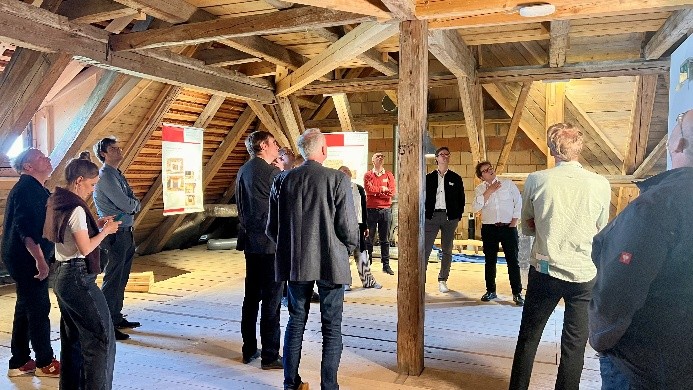
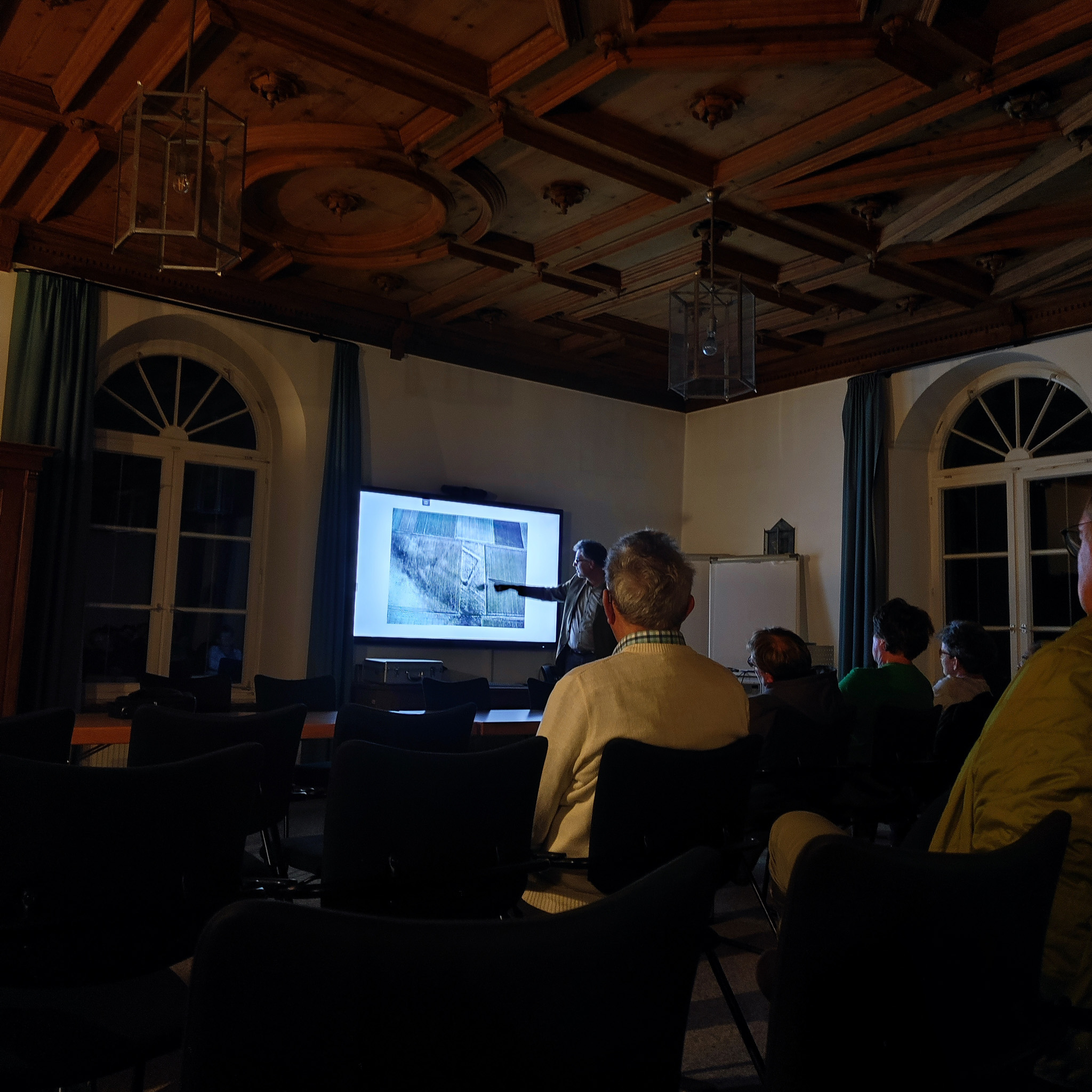
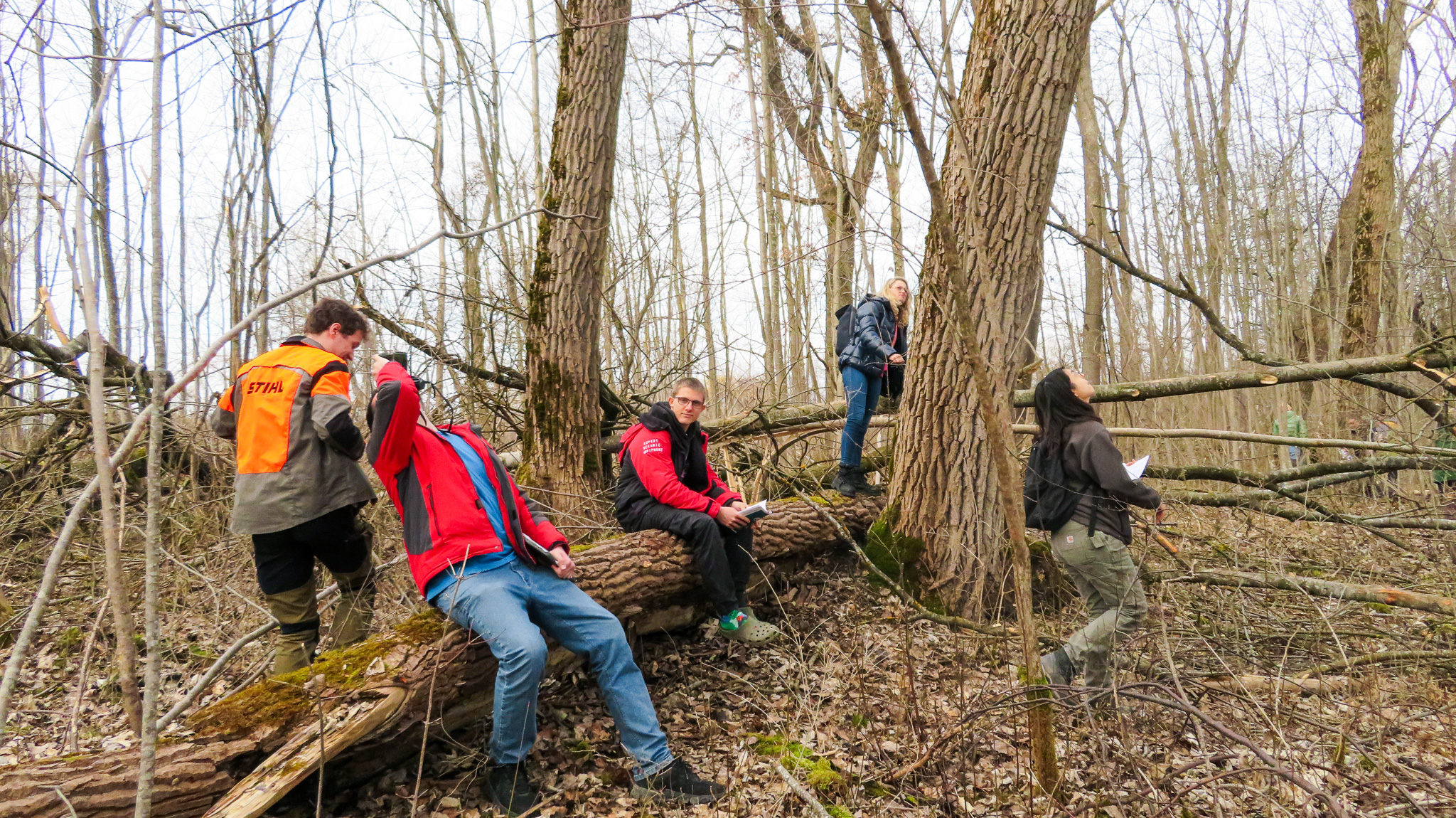
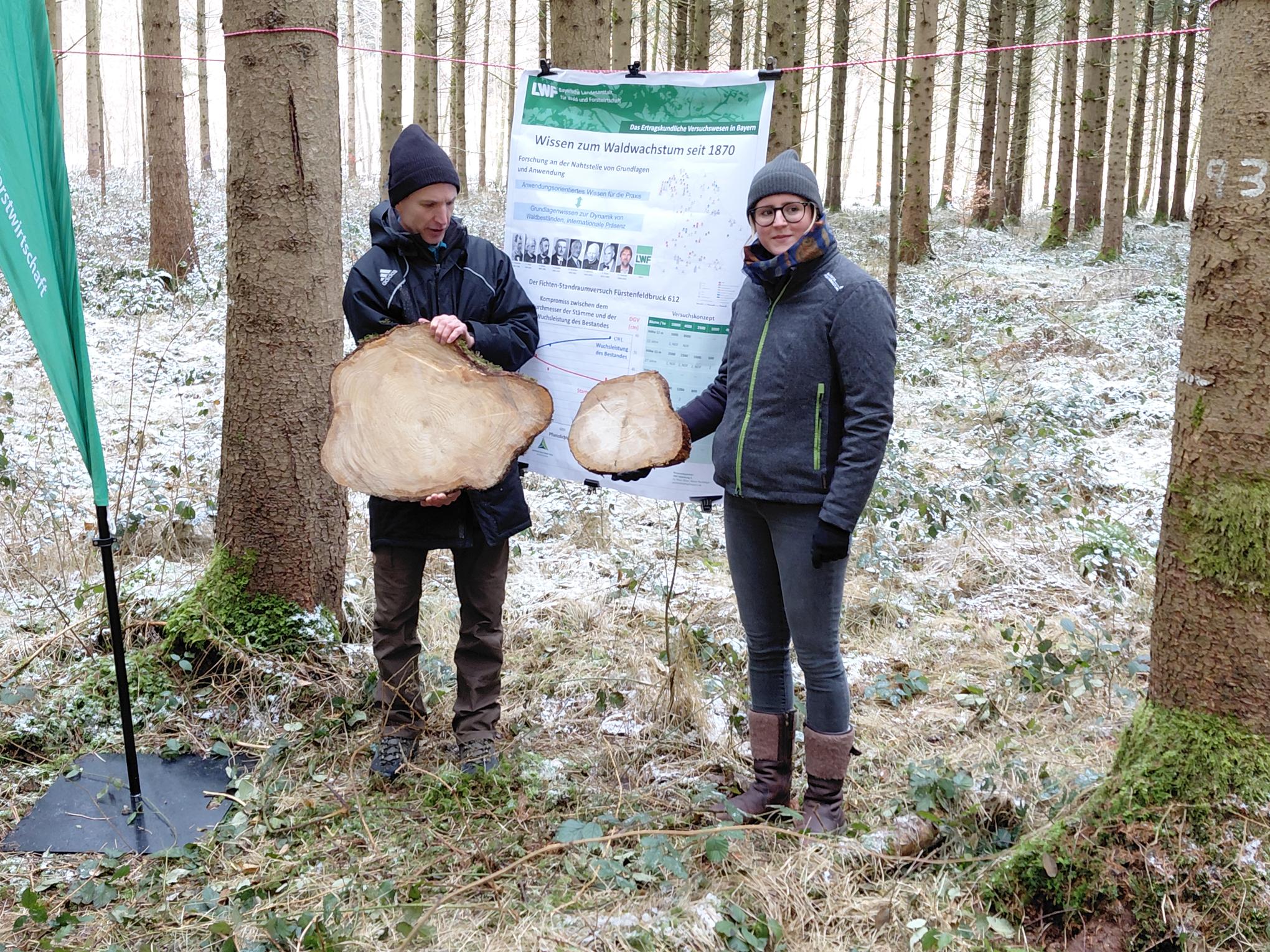
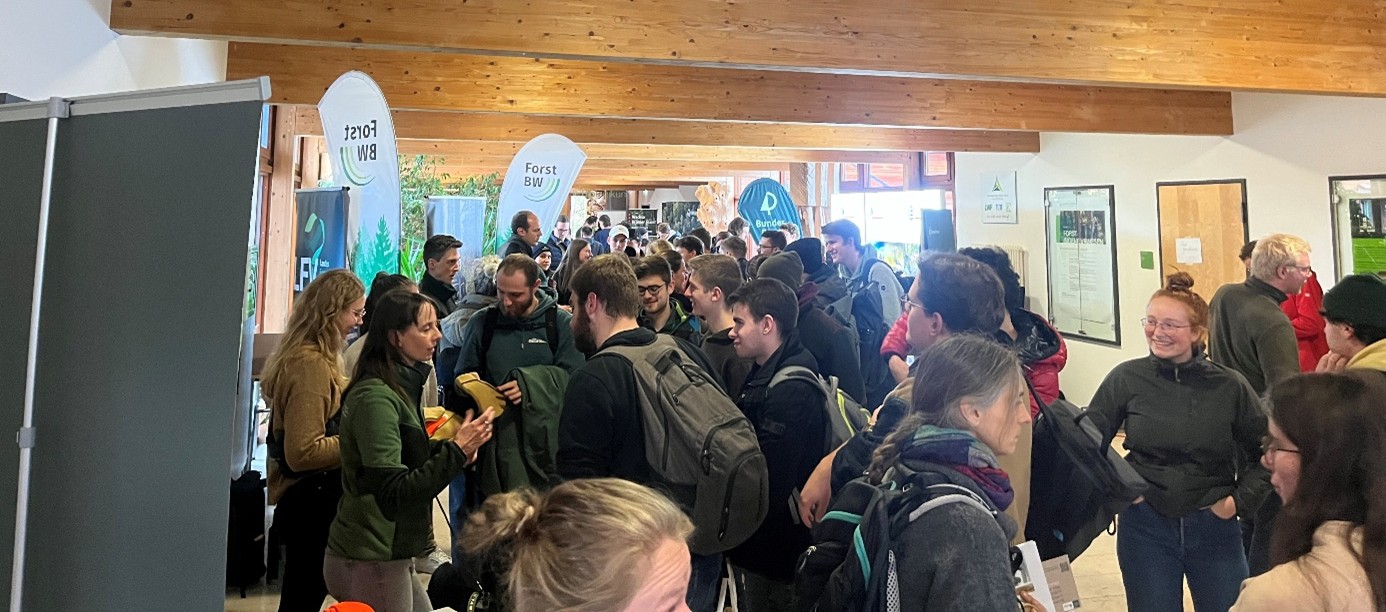
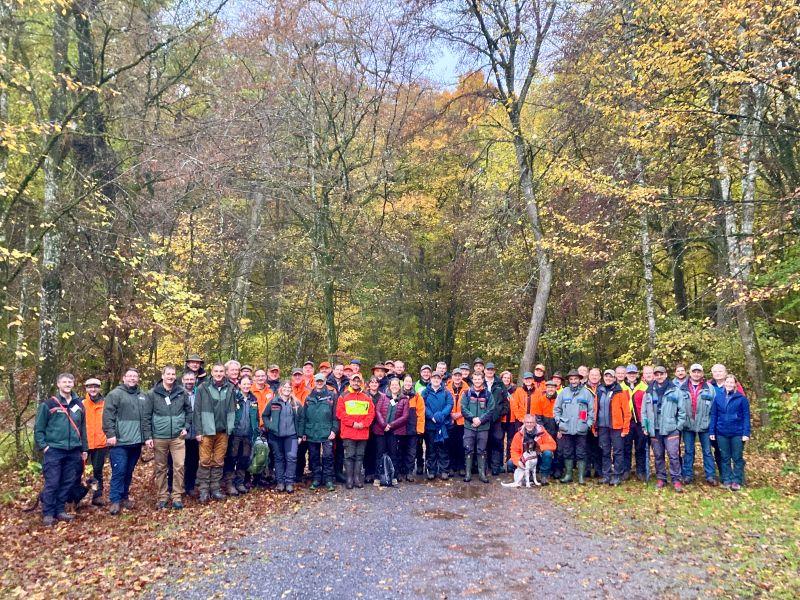
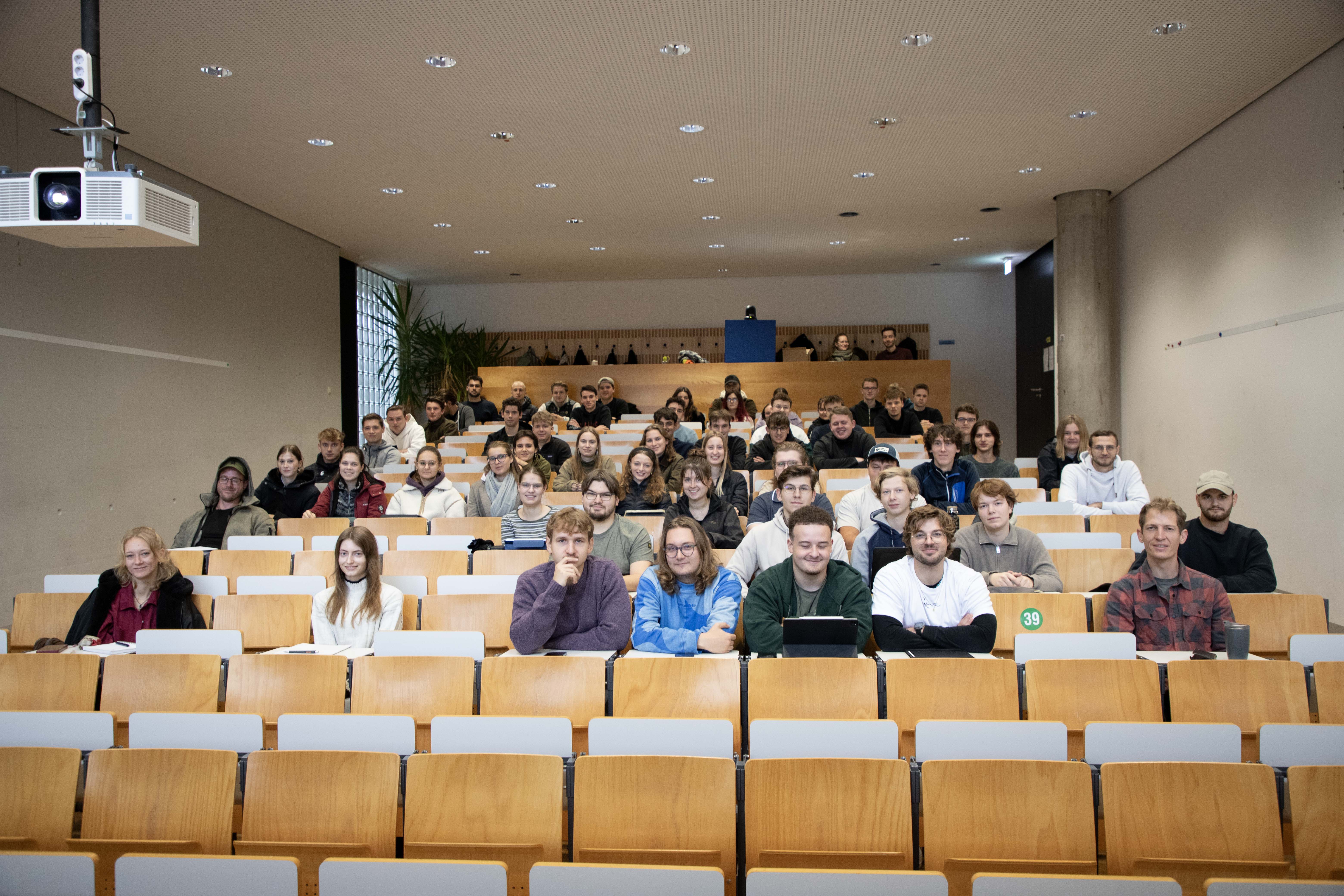
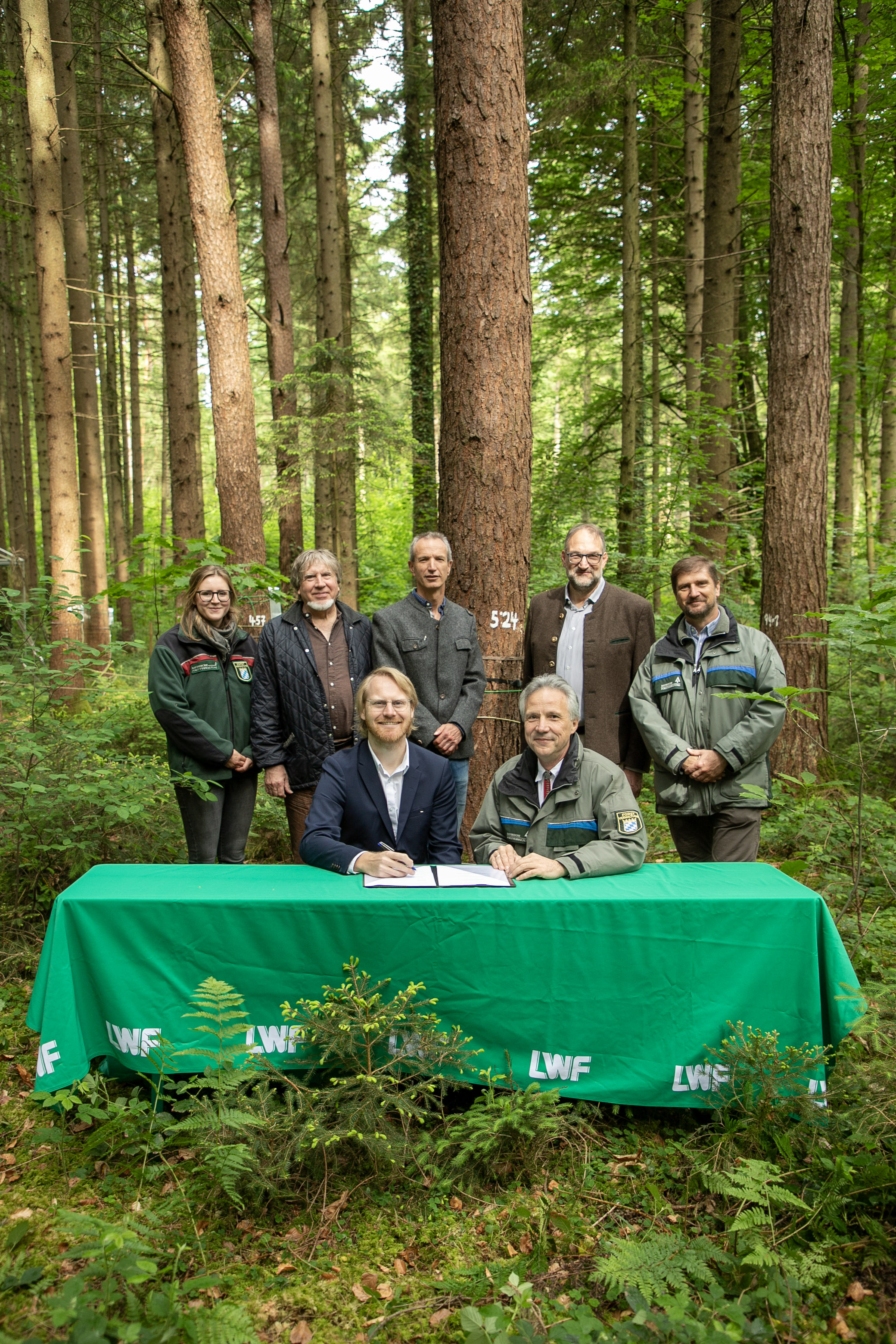
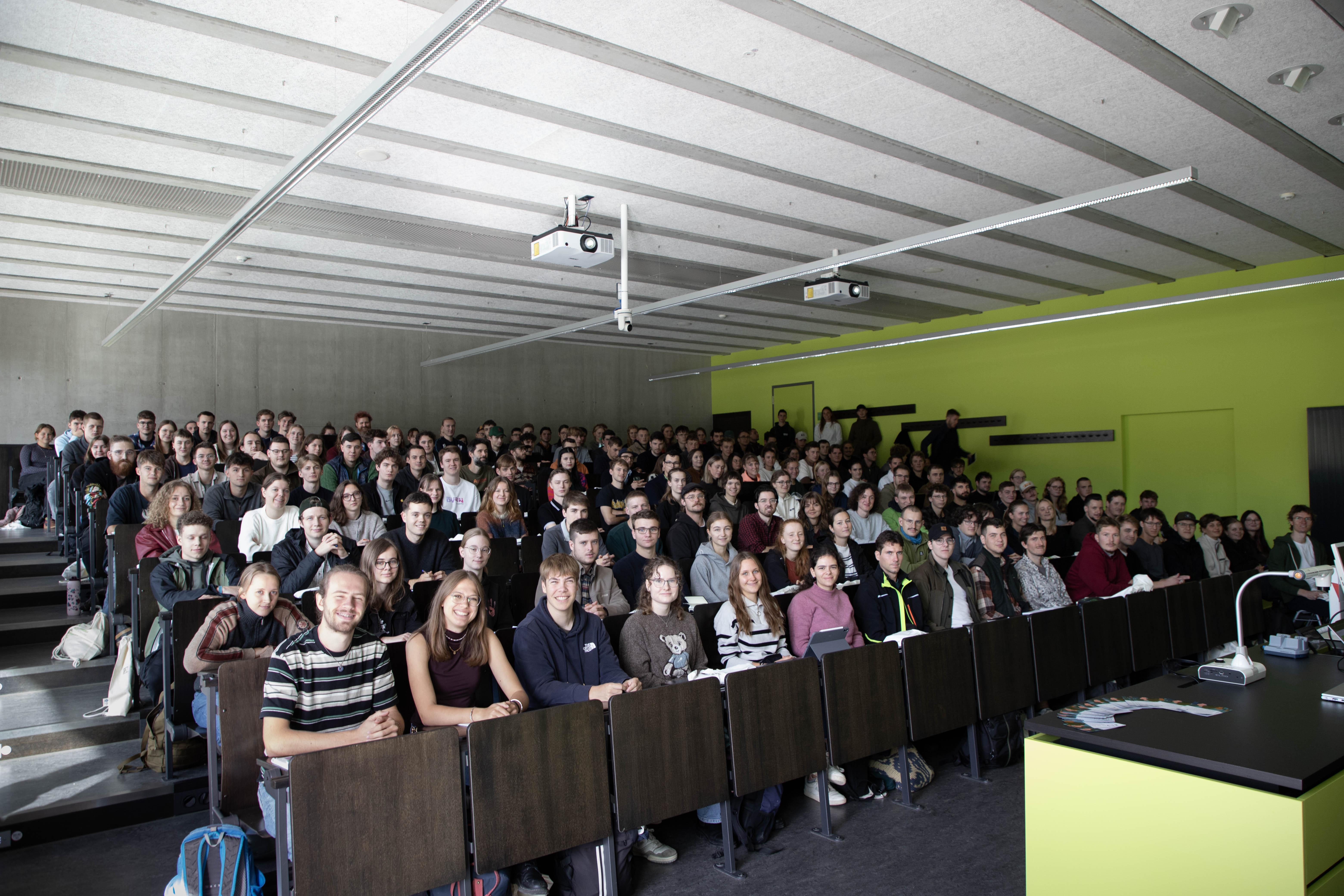
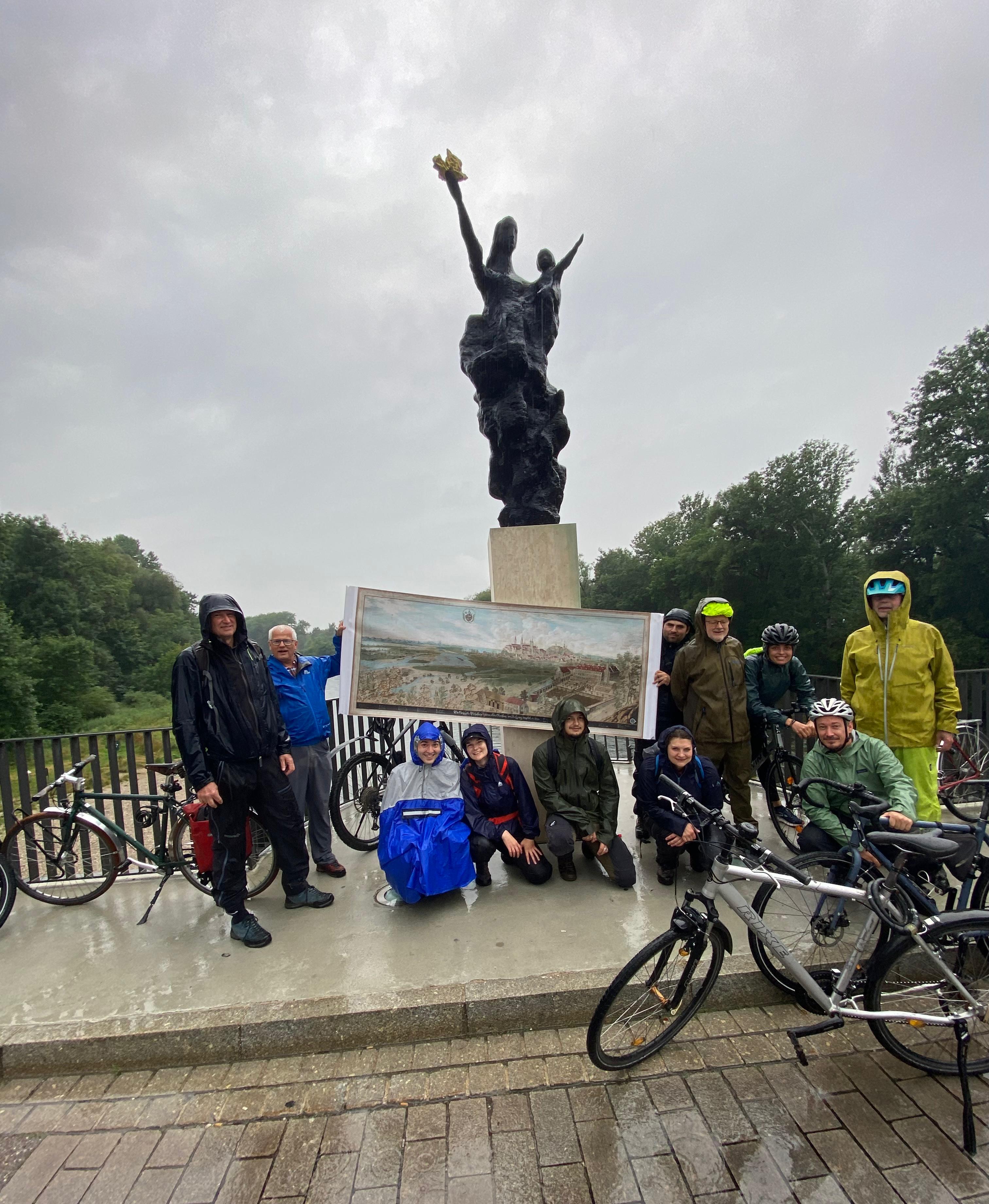
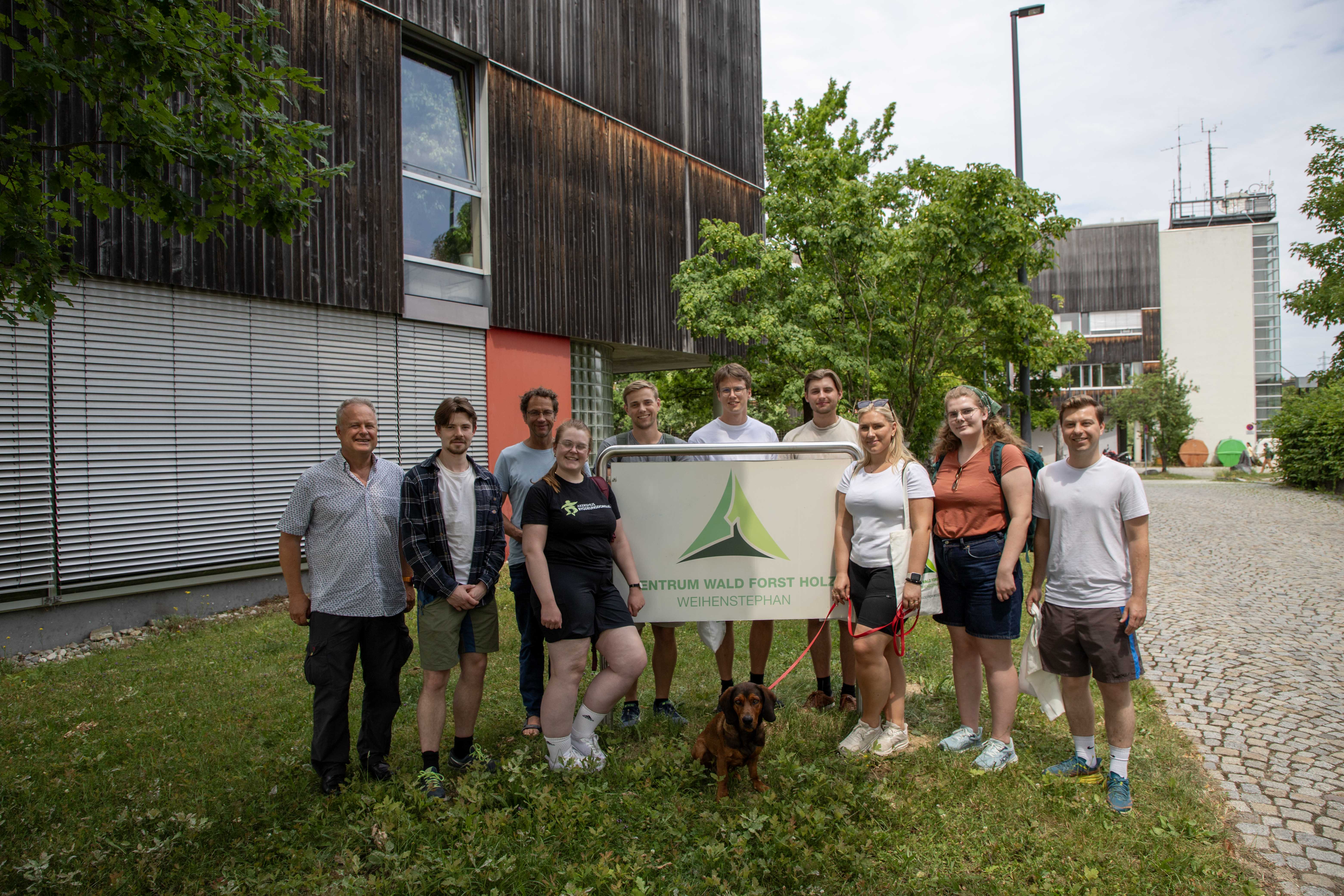
I am writing to share my experience of the recent annual meeting and training activity within the European Training Network (ETN) Skill-For.Action funded from the European Union’s Horizon 2020 research and innovation program under the Marie Skłodowska-Curie grant agreement No 956355. The session took place from December 14th to 20th, 2022 and was hosted by the Chair of Forest Growth and Yield Science at the TUM School of Life Sciences and arranged by the University of Padua, Italy (coordinator). The ETN Skill-For.Action (S4A) project aims at a better understanding of the carbon fluxes in forests and forestry and adapting forest management regimes in different climates to optimize carbon balance.
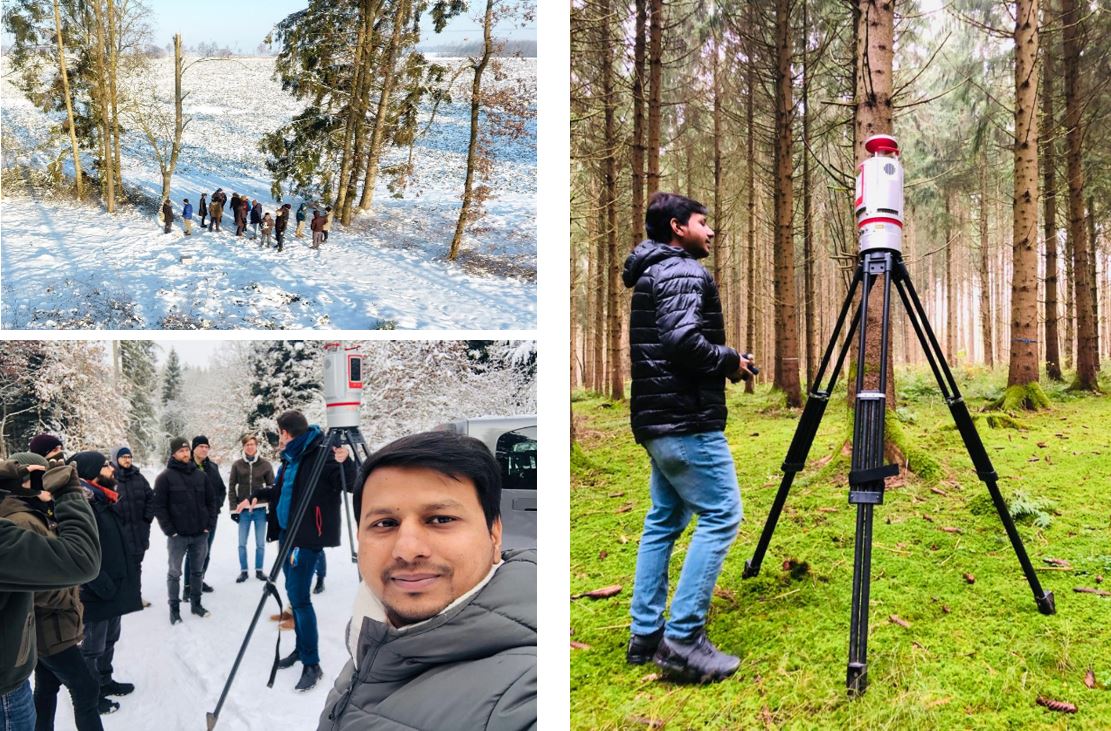
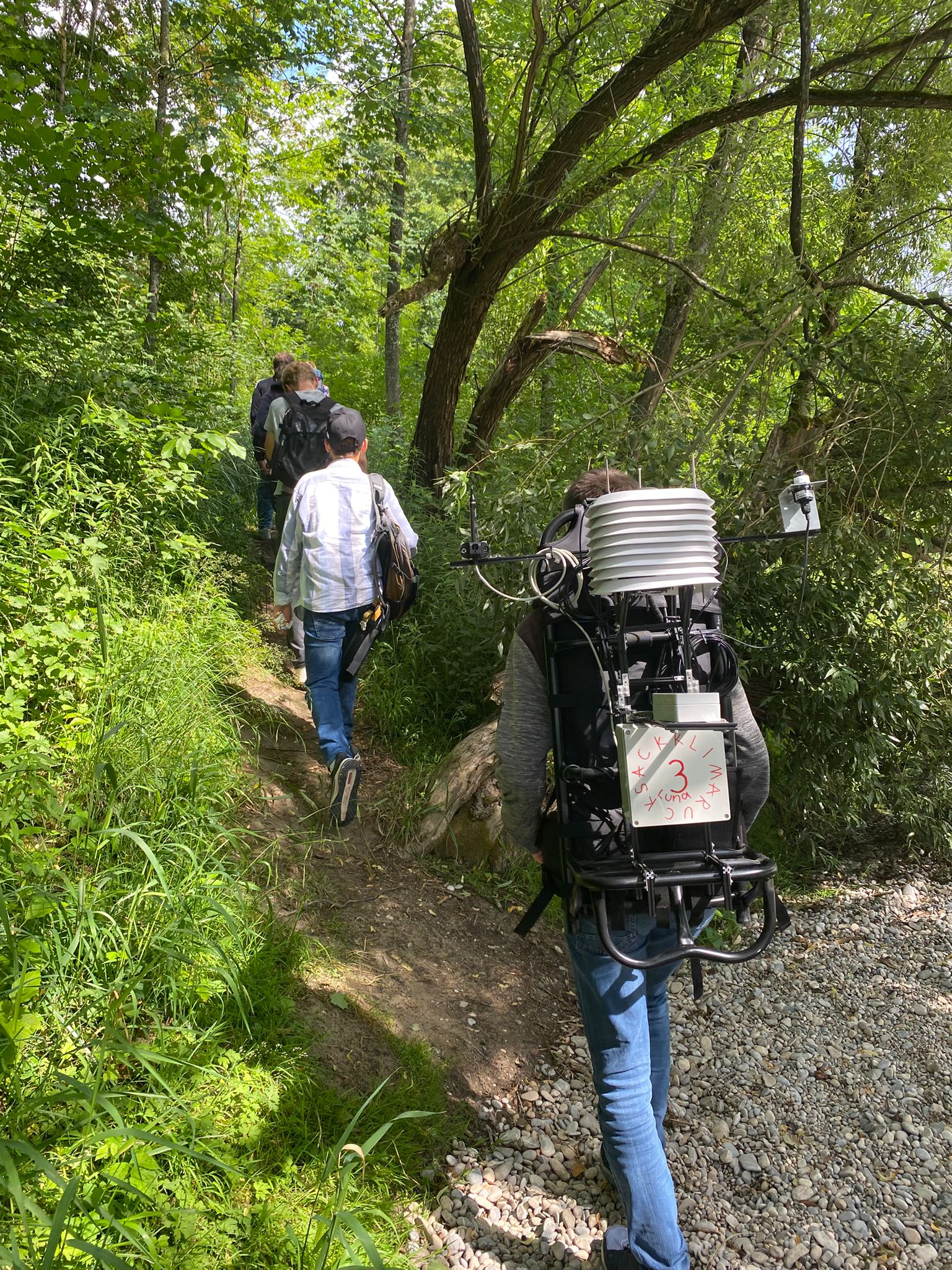
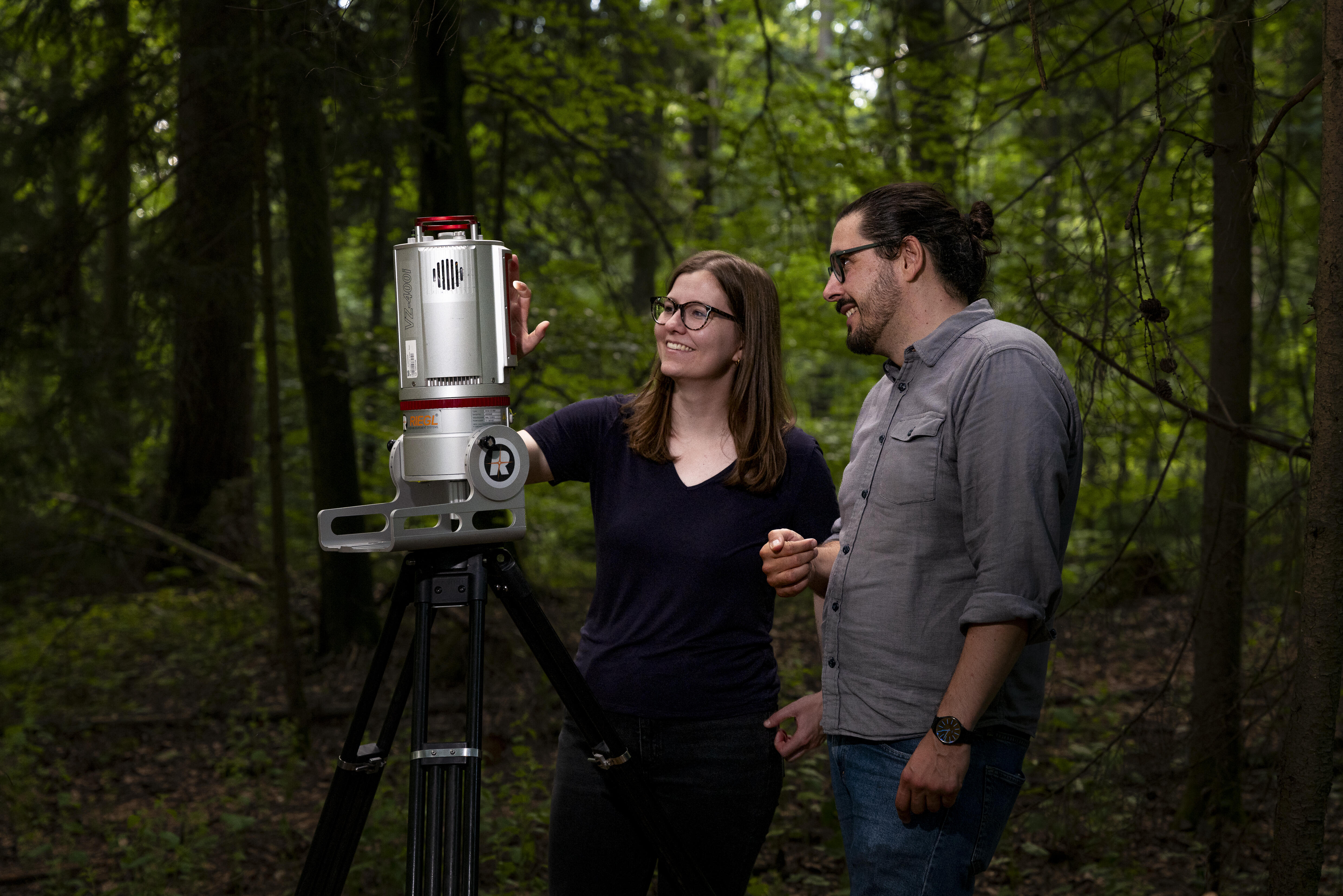
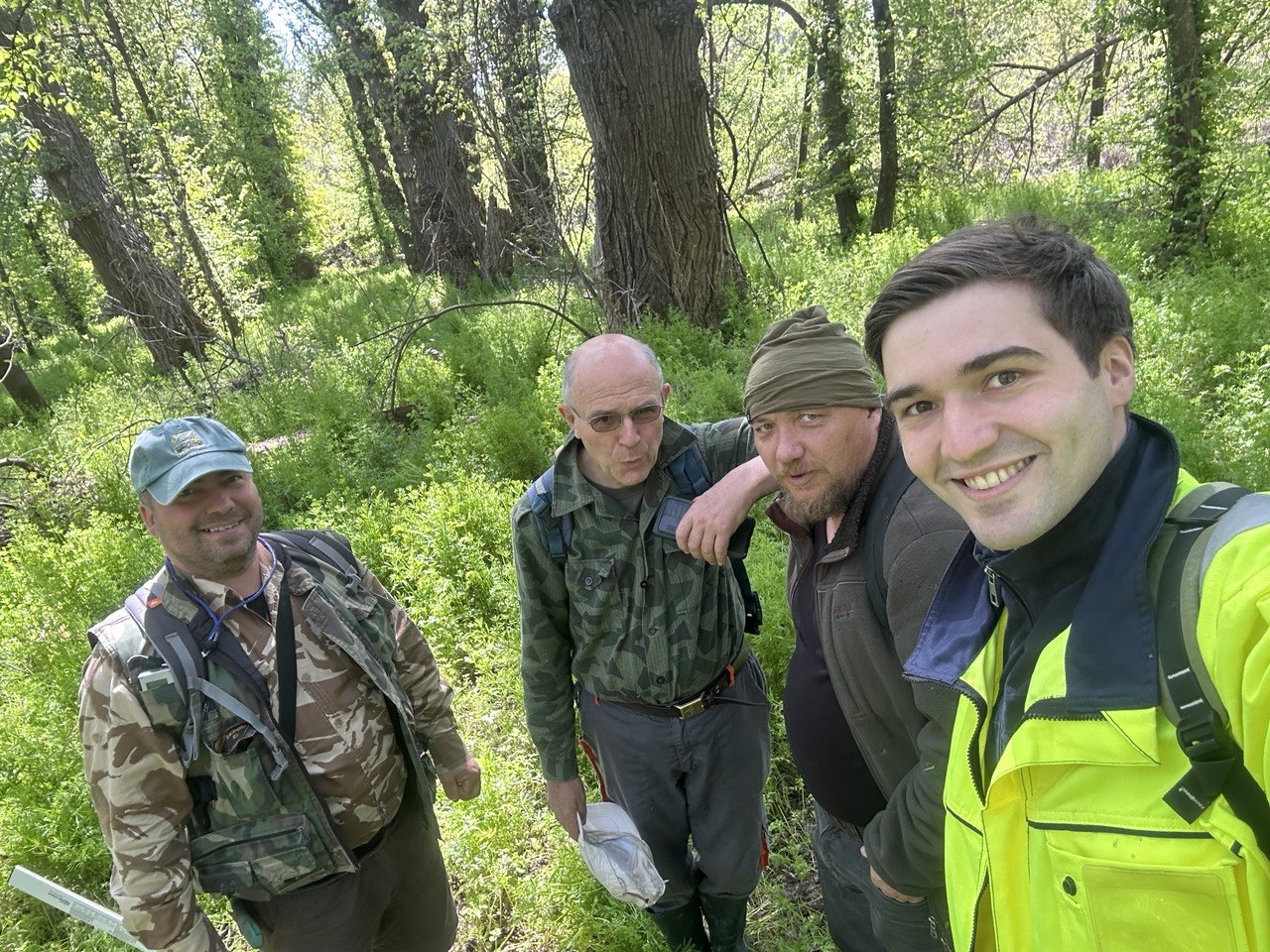
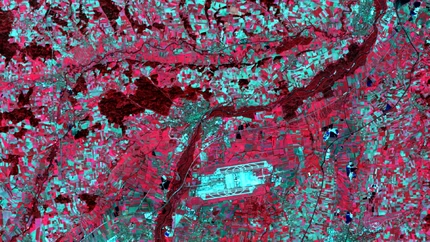
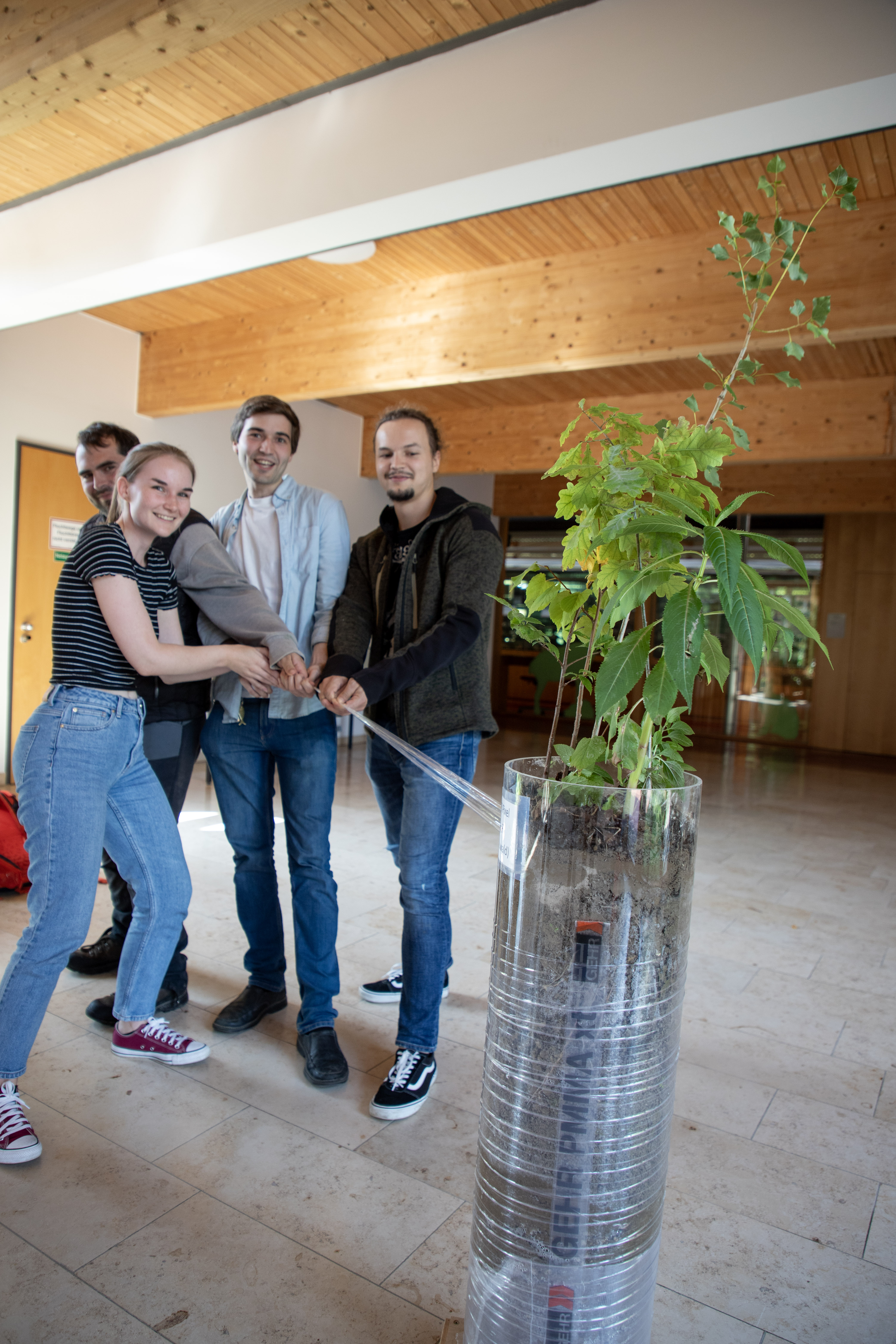
As an early stage researcher (ESR) out of 12 (from 5 European countries and South Africa) in the S4A project and a member of the Chair of Forest Growth and Yield Science, I was privileged to attend the meeting and training. The training courses provided valuable experience in the use of advanced technologies such as unmanned aerial vehicles (UAV), terrestrial laser scanners (T-Lider), etc. to conduct remote sensing-based forest management, with the goal of achieving carbon-smart forest management.
As a researcher working on carbon dynamics in forested ecosystems, I am utilizing terrestrial laser scanning to more precisely characterize crown shape in order to better understand the relationship between crown structure and tree ring patterns. This work has the potential to improve our understanding of how external tree appearances affect internal growth and has implications for forest management under carbon smart forestry in the context of global change. Additionally, the knowledge gained from this research can be applied to the work of other ESRs studying carbon optimization and simulation and may serve as a useful example of the integration of remote sensing techniques in their research.
Overall, this training enhanced the multidisciplinary expertise of ESRs and may lead to more efficient forest operations. The incorporation of remote sensing techniques and the application of this knowledge to carbon dynamics research has the potential to make significant contributions to the field and may be valuable for those working in related areas.
Shamim Ahmed (https://www.waldwachstum.wzw.tum.de/en/staff/shamim-ahmed/)
Skill-For.Action (https://etnskillforaction.com/)
Forest Growth and Yield Science
Technical University of Munich, Germany